Thoughts on Building Better Products
I regularly write about product thinking, MVP strategy, customer feedback, and engineering decisions for founders and product teams.
Product Thinking
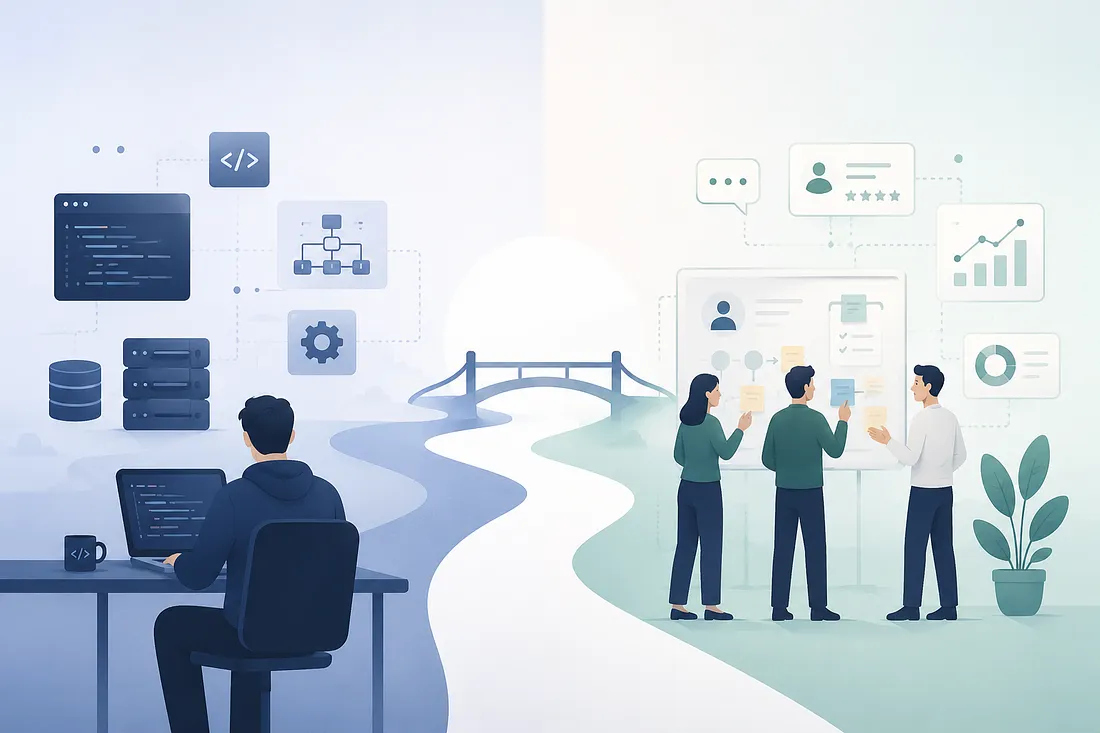
Building Software and Building Products Are Not the Same Thing
For years, I believed coding was the hard part. After more than fifteen years in software development — much of it spent building products — I realized the real challenges usually had little to do with technology itself.

Product Thinking
Thinking Through Products: Case 1 - Freelancer Approval Workflow
Freelancers and small teams have clients, but they often do not use a single tool to keep track of their leads, customers, communication, and payments.
Product Thinking
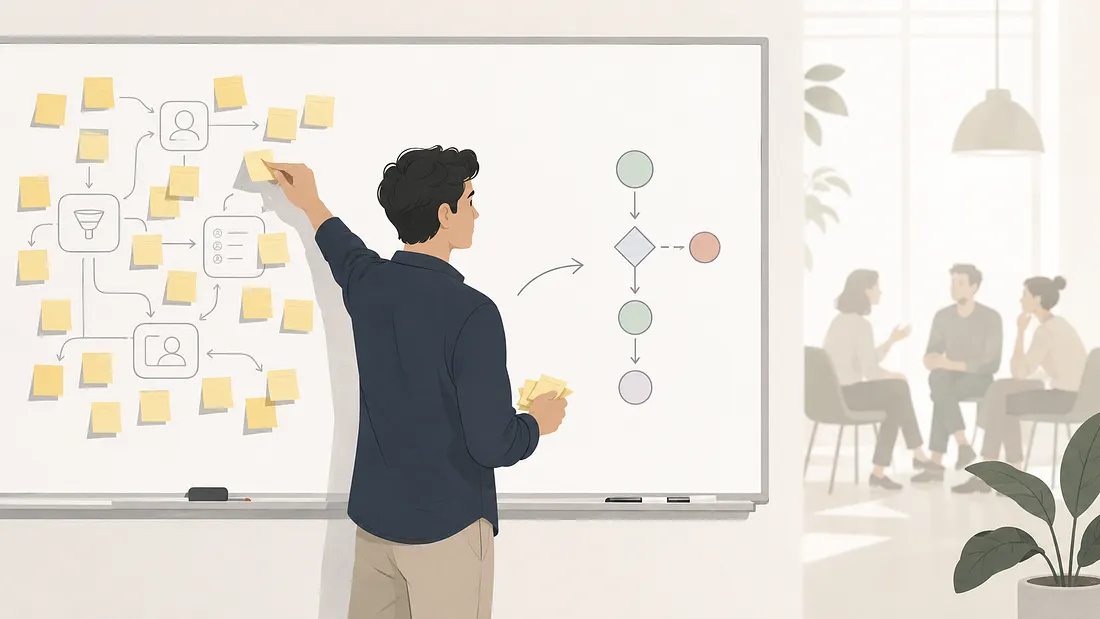
Feature Creep Starts Before You Write a Single Line of Code
When I started thinking about my MVP, I thought I already knew what it should look like. The product was for freelancers or small teams to manage their CRM workflows. So I naturally started with features like lead tracking, contacts, pipeline stages, and reminders.
Product Thinking
Shipping Fast Is Not a Substitute for Product Validation
I have heard at many places in early-stage founder circles that we need to ship early, build early, and ship fast. But does it really work? Many founders believe that it does. But why? What makes them think that it works? Is it based on hard evidence, or is it simply a case of getting influenced by being around others who share similar beliefs? It could also be a case of a technical person wanting to become a founder and have a product attached to their name.
Technical
Internationalization (i18n) & Localization (l10n) Explained: The Foundations (Part 1)
Yeah!! Yeah!!, I get it. The first time I heard about i18n and l10n, I thought my pal was pulling my leg. It was a boring Monday morning, and everyone was just getting their stuff and settling down. I even tried to convince him that someone must've played a prank on him and maybe it was just a typo.
Product Thinking
When the Obvious Solution Is the Wrong One
The client ran a business that relied on high-quality images of physical objects and their customers were submitting requests every day for specific angles, views and formats. On paper, the process worked, but in practice, it struggled under pressure. Customers submitted requests through an internal system, which stored object data, attachments and a few additional fields used later in the workflow.
Product Thinking
The Hidden Cost of Choosing Architecture Too Early
We didn’t realize the rewrite had failed all at once. There was no big incident or dramatic meeting. The realization came slowly, through stalled progress, growing delays, and rising costs we could no longer ignore. About halfway in, it became clear we couldn’t keep building the new system and supporting the old one at the same time.
AIAgentsMCP
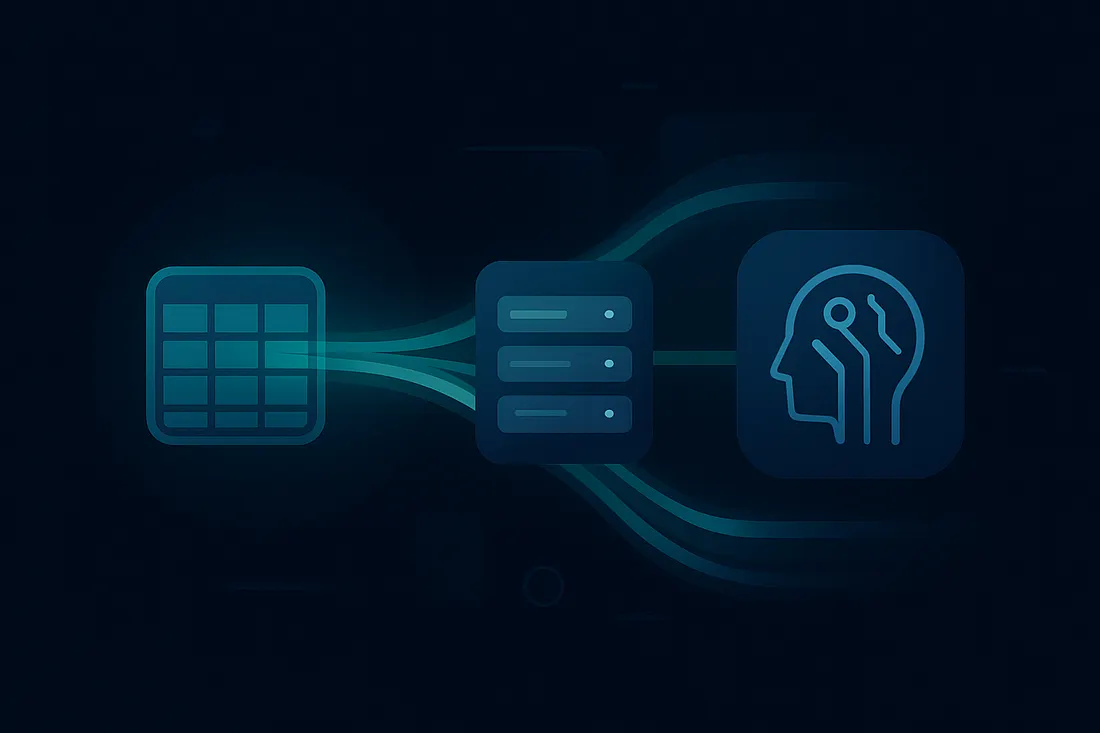
What I Learned Building My First MCP Server From Scratch
I wrote a small MCP server in TypeScript. It connects to Google Drive, reads a spreadsheet, and turns it into clean JSON. MCP clients can then call tools to fetch daily data, ranges, categories, and even seasonal summaries.

AILLMMCP
The MCP Server: The Critical Security Boundary for Agentic AI
Like many developers, I've been amazed by what large language models (LLMs) like ChatGPT or Gemini can do. They can explain code, write snippets, and even reason through logic in ways that feel almost human.
TechnicalLibrary
How to Ghost Your Data: Implementing Soft Deletes in Prisma
It was just another regular day at the office. I was staring at a database schema, plotting out a shiny new feature, when my phone buzzed. One of the guys from the support team was on the line. Apparently, a customer had accidentally deleted a few records through the application UI and now wanted to know the answer to the million-dollar question: “Can you get them back?”
Most of my long-form writing lives on Substack, where I explore product decisions, engineering trade-offs, and lessons from working with founders. If you'd like to follow along, I'd love to have you there.